



Introduction: The “AI Voice” Problem in Business Automation
Automate Business Emails AI | By now, every agency owner, solopreneur, and B2B consultant knows that automating email communication is the ultimate growth hack. Using tools like Make.com or Zapier, you can instantly reply to customer support tickets, send personalized sales pitches, and follow up with cold leads while you sleep.
But there is a massive, silent problem that most business owners ignore: The AI Voice.
We have all received those emails. They start with “I hope this email finds you well,” use words like “delve,” “testament,” and “seamless,” and sound like a robot wearing a tuxedo. If you use AI to automate your client communication, but the output sounds completely artificial, you will break trust and lose the deal instantly.
In the world of automated workflows, you need an AI “brain” that can process raw data and output an email that sounds 100% human. In 2026, the two undisputed heavyweights in this arena are OpenAI (ChatGPT-4o) and Anthropic (Claude 3.5 Sonnet / Opus).
At Autifyai, we have run thousands of API calls through both models to power our internal automation systems. In this comprehensive guide, we will put ChatGPT and Claude head-to-head to determine which model is the absolute best for automating your business emails.
1. The Core Differences: Architecture & Philosophy
Before we look at the exact email outputs, you need to understand how these two models are built, as it directly affects how they write.
OpenAI’s ChatGPT-4o (The Versatile Engine)
ChatGPT is trained on a massive, broad dataset. It is designed to be the ultimate generalist. It can write code, analyze spreadsheets, generate images, and write text. However, because it is trained to be heavily “helpful and polite,” its default writing style is often overly formal, enthusiastic, and loaded with robotic buzzwords.
Anthropic’s Claude (The Nuanced Writer)
Claude was built with a philosophy called “Constitutional AI.” Anthropic designed Claude to be highly nuanced, safe, and conversational. In the developer community, Claude is widely considered the superior model for long-form writing, copywriting, and mimicking human empathy. It naturally avoids the cliché “AI words” that ChatGPT loves so much.
2. Head-to-Head Testing: Real Agency Scenarios
To find out which model is better for your Make.com workflows, we gave both APIs the exact same prompt for three common B2B email scenarios.
Scenario A: The Cold Sales Outreach (B2B Lead Generation)
The Prompt: “You are a digital marketing agency owner. Write a short, punchy, 3-sentence cold email to a local dentist. Notice they don’t have a booking system on their website. Offer to build an AI appointment setter. Do not use corporate jargon. Be casual but professional.”
ChatGPT’s Output:
Subject: Elevating Your Dental Practice’s Booking Experience Hi Dr. Smith, I hope this email finds you well. I was exploring your website and noticed that patients currently cannot book appointments directly online, which is a missed opportunity in today’s digital landscape. I’d love to help you implement a seamless AI-driven appointment setter that will revolutionize your scheduling and save your staff hours of manual work. Let’s connect for a brief chat this week!
Claude’s Output:
Subject: Quick question about your website Hi Dr. Smith, I was just looking at your site and noticed patients have to call in to book an appointment. I run a local tech agency, and we recently built a simple automated booking widget for another clinic that cut their missed calls in half. Would you be open to a quick 5-minute chat to see if something like that makes sense for your practice?
The Winner: Claude. ChatGPT completely ignored the “3-sentence” rule and used massive fluff words like “elevating,” “seamless,” and “revolutionize.” It sounds like a spam template. Claude sounded like a real human writing a quick note from their iPhone.
Scenario B: The Angry Client Support Ticket
The Prompt: “A high-ticket client is angry because their new website is loading very slowly. Write an empathetic email apologizing for the issue, explaining that our lead developer is looking into the server caching right now, and promise an update in 2 hours. Keep it concise.”
ChatGPT’s Output:
Hi Sarah, Please accept my deepest apologies for the inconvenience you are experiencing regarding the slow loading times on your new website. We understand how crucial optimal performance is for your business. Rest assured, our lead developer is actively investigating the server caching configurations as we speak. We are committed to resolving this swiftly and will provide you with a comprehensive update within the next two hours.
Claude’s Output:
Hi Sarah, I am so sorry to hear the new site is running slowly today—I completely understand how frustrating that is, especially right after launch. I’ve just pulled our lead developer off their current project to dig into the server caching and find out exactly what’s causing the bottleneck. I will personally email you back within the next two hours with an update and a fix.
The Winner: Claude. When dealing with angry clients, ChatGPT sounds like a corporate PR machine (“optimal performance,” “comprehensive update”). Claude shows genuine emotional intelligence and takes a personal tone (“I am so sorry,” “I’ve just pulled our lead developer”).
Scenario C: Formatting and Data Extraction (The Backend Automation)
The Prompt: “Read this messy text from a client email and extract the action items into a JSON format: ‘Hey guys, love the new design. But can we change the logo to be 20% bigger? Also the contact form is broken on mobile. Let me know when it’s done. Oh, and send me the final invoice.'”
The Winner: ChatGPT. While Claude is an incredible writer, ChatGPT-4o is currently faster and slightly more reliable when it comes to strict data parsing (like generating perfect JSON files for your Make.com webhooks). If your workflow requires reading messy data and formatting it for a CRM, OpenAI is the industry standard.
3. Integrating with Make.com (The Automation Setup)
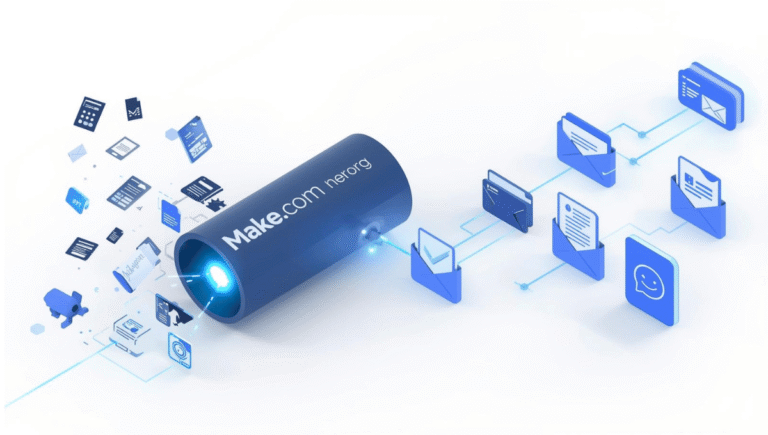
The beauty of both ChatGPT and Claude is that they have native integrations inside Make.com. You do not need to know how to code to use either of them.
How to set them up in your workflow:
- Trigger: Use the Gmail or Outlook module to watch for incoming emails.
- The AI Router: Add the OpenAI (Create a Prompt Completion) module OR the Anthropic Claude (Create a Message) module.
- The Context: Map the sender’s original email text into the prompt. Give the AI a “System Prompt” defining its personality (e.g., “You are a polite, concise customer support agent.”).
- Action: Route the AI’s generated response back to Gmail to send as a reply, or save it as a draft for your manual review.
Pro-Tip for Agencies: We highly recommend adding a “Draft Mode” step to your Make.com scenario during the first week. Have the AI save the emails in your draft folder. Review them manually to ensure the tone is perfect before switching the automation to “Send Instantly.”
4. API Pricing & Speed: Which is More Cost-Effective?
If you are a solopreneur sending 50 automated emails a week, API costs will be less than $1 a month for both models. However, if you are an agency running high-volume outbound campaigns, costs matter.
- OpenAI (gpt-4o-mini): Extremely cheap and incredibly fast. Perfect for basic sorting, tagging emails, or summarizing long client threads.
- OpenAI (gpt-4o): Premium pricing, excellent reasoning, but tends to over-write.
- Anthropic (Claude 3.5 Sonnet): Mid-tier pricing. It is slightly cheaper than GPT-4o, much faster, and currently the undisputed king of natural copywriting.
The Verdict on Cost: For email generation, Claude 3.5 Sonnet offers the absolute best ROI. It gives you Opus-level writing quality at a fraction of the API cost.
Conclusion: The Autifyai Verdict
If you are building an automated B2B system in 2026, the answer to the “ChatGPT vs Claude” debate depends entirely on the specific node in your workflow.
Use ChatGPT (OpenAI) if:
- You need to extract data from an email and format it into strict JSON.
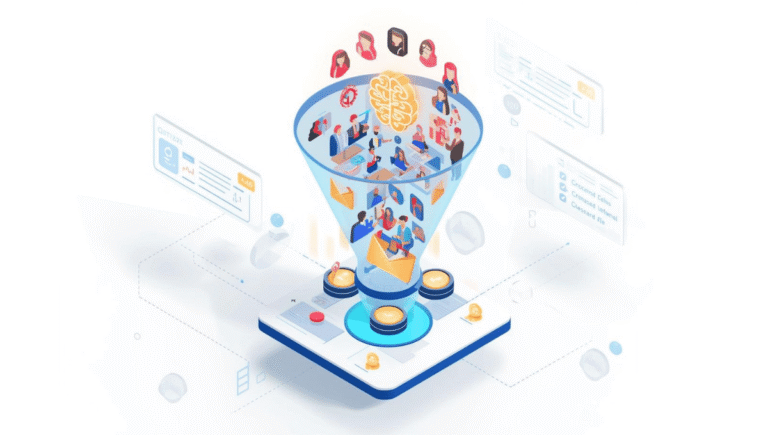
- You are classifying support tickets by urgency.
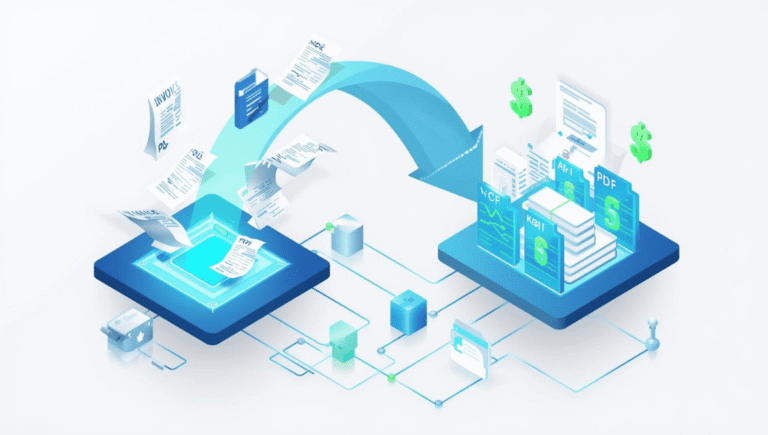
- You need to analyze attached PDF invoices.
Use Claude (Anthropic) if:
- You are generating a cold outbound sales email.
- You are writing an apology to an upset client.
- You are sending a welcome onboarding sequence.
- You need the final output to sound as human, empathetic, and natural as possible.
The Ultimate Hybrid Workflow: The most advanced agencies don’t choose just one. Inside Make.com, you can build a workflow where ChatGPT reads the incoming email and extracts the data (Company Name, Budget, Problem), and then passes those clean variables into a Claude module to actually write the beautiful, human-sounding reply.
Stop sending robotic emails that ruin your brand’s reputation. Sign up for Make.com today, connect the Claude API, and watch your automated reply rates skyrocket.